What is Gambling?
Gambling refers to the act of wagering something of value on an event with an uncertain outcome, primarily with the intention of winning additional money or material goods. It encompasses a wide range of activities, from traditional card games and sports betting to modern online casinos and video gaming. The core principle of gambling is that the outcome is largely determined by chance, although players often employ strategies to improve their odds. Many players are now discovering the thrill of the chicken road game, which adds a unique twist to the gaming experience.

For beginners, understanding the basic terms and concepts is essential. You’ll encounter terms like “house edge,” “odds,” and “bankroll management,” which are vital to making informed decisions. Familiarizing yourself with these concepts can greatly enhance your gambling experience, ensuring that you play responsibly and strategically.
The Different Types of Gambling
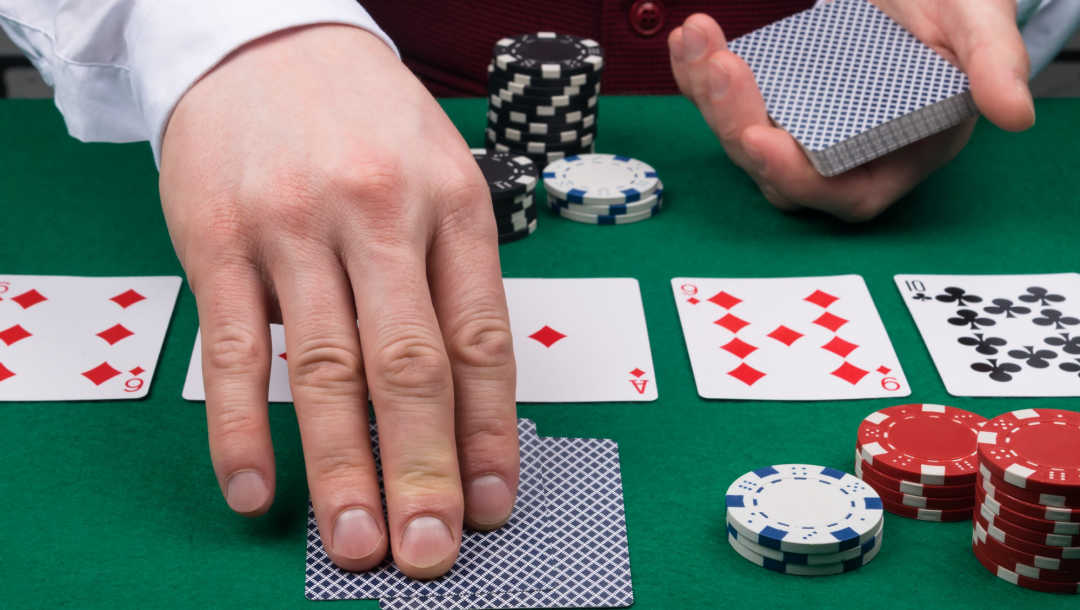
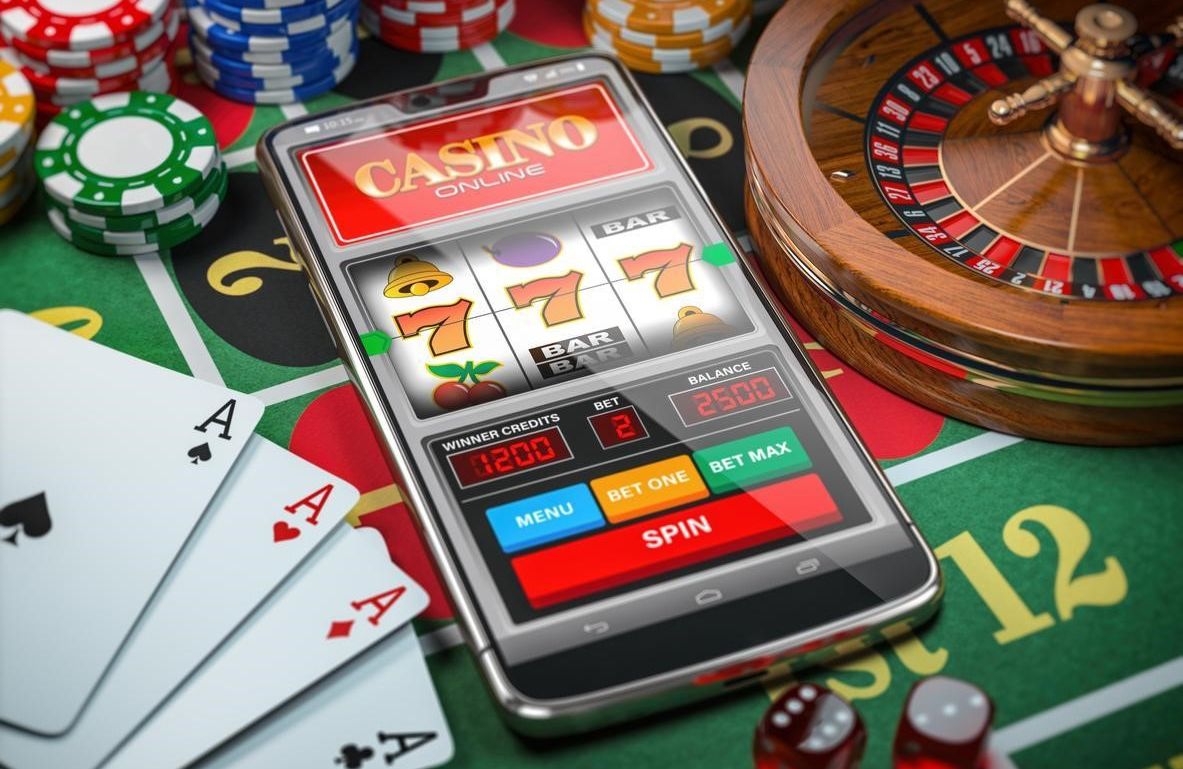
There are various forms of gambling, each with its own unique rules and characteristics. Casino games, including slots, poker, and blackjack, are among the most popular choices. Sports betting allows enthusiasts to wager on the outcomes of athletic events, while lotteries offer a chance to win large sums through random draws. Online gambling has also gained popularity, providing convenience and accessibility for players around the world.
Each type of gambling presents distinct opportunities and challenges. Understanding these differences is crucial for beginners, as it can guide you toward the games that suit your interests and skills. For example, if you enjoy strategy, poker may be appealing, whereas those who prefer luck-based games might gravitate toward slot machines.
Common Myths About Gambling
Many misconceptions surround the world of gambling, which can mislead beginners. One prevalent myth is that certain games are “due” for a win after a losing streak. In reality, each game round is independent, and previous outcomes do not influence future ones. Another common myth is that gambling is solely a luck-based activity. While chance plays a significant role, many games involve strategy and skill, particularly in poker and blackjack.
Debunking these myths is essential for a healthy gambling mindset. Understanding the realities of gambling can help you develop a realistic approach, reducing the risk of developing problematic behaviors or unrealistic expectations. Knowledge is power, and being aware of these myths can lead to more responsible gambling practices, including how to approach games like the chicken road game.
Tips for Responsible Gambling
For beginners, establishing a responsible gambling approach is vital for an enjoyable experience. First, set a budget before you start playing, and stick to it. This not only helps in managing your finances but also prevents you from chasing losses. It’s essential to treat gambling as a form of entertainment rather than a way to make money.
Additionally, take breaks during your gaming sessions. This helps maintain perspective and prevents gambling from becoming overwhelming. Make use of tools available on gambling platforms, such as deposit limits or self-exclusion options, to help manage your gaming habits effectively.

Explore More at Our Website
For those eager to dive into the exciting world of gambling, our website serves as a valuable resource. We provide insightful articles, tips, and guides designed to enhance your understanding and experience. Whether you’re curious about different games, strategies, or industry news, our platform is a one-stop destination for all your gambling needs.
Additionally, our user-friendly interface makes it easy to navigate through various sections, ensuring you find the information you’re looking for. Join us to explore the thrill of gambling while staying informed and responsible as you embark on your journey.